
ICP Furnace Showing 80% Limit Fault
Most gas furnaces have several safety limits, main limits, roll-outs, 80%’s will have a DSS (Daft Safety Switch) These safety
Refrigerants and other gases used in the HVAC industry need to be respected and handled safely. The information given here is general in nature and not to be used as a substitution for the manufacturer’s instructions. This time we will cover safety around refrigerant and pressurized gases that are used in the HVAC industry. As a reminder, gloves and safety glasses need to be worn while working with these gases and refrigerants.
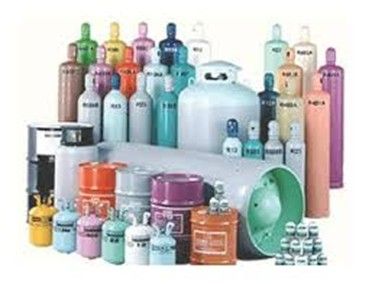
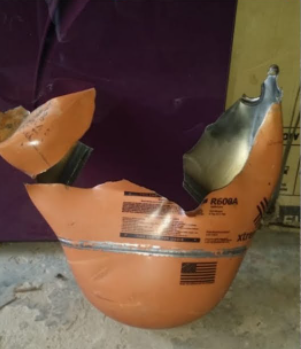
Refrigerants come in different containers, depending on the pressure rating of the refrigerant. Low-pressure refrigerants come in steel drums. Medium and high-pressure refrigerants come in returnable or disposable metal containers. Different refrigerants exert different pressure on the container depending on the temperature it is exposed to. For example, a refrigerant container exposed to cold temperatures will have a lower pressure inside the container, and will have higher pressure inside the container when exposed to hotter temperatures. So, never heat a refrigerant container with an open flame or any type of heater to raise the pressure in the container. If the container needs to be warmed up, place it in a conditioned area where temps are above where it was stored, or it can be warmed gradually and evenly with warm water not exceeding 125 degrees. The refrigerants in these containers are liquefied compressed gasses, and if missed handled or over heated, the container can burst, causing damage, injury, or death.
The liquid in the containers, when exposed to the skin, can cause frostbite or burns. Also, if released in a not so well-ventilated area do to equipment failure or miss handling of the refrigerants, could cause suffocation. Refrigerant vapor is heaver than air, invisible, with little to no odor, so equipment rooms with no ventilation or low places where equipment could be, may have areas where invisible gas is settling.
Make sure you read the labels on the refrigerant container as they will have safety and warning information about the product. You can also obtain technical bulletins and material safety data sheets from the manufacturers that would include information for your health and safety, also the flammability, and toxicity of the refrigerant.
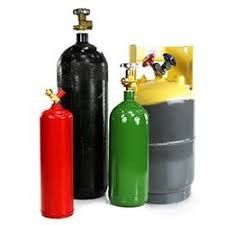
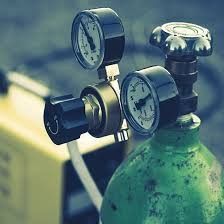
Other pressurized gases in the HVAC industry are nitrogen, oxygen, acetylene, and LP. These gases are compressed and put in to medium to high pressure cylinders. Nitrogen and oxygen cylinders are pressurized at 2,000 psi. Acetylene, Liquid petroleum (LP), or butane are pressurized around 250 psi.
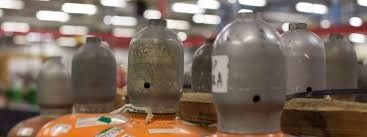
When handling or moving, make sure any safety caps or carrying cases are used. If the valve were to break off the cylinder it would take off like a rocket. Be sure to follow all safety guides for storing all cylinders, and make sure they are in an upright position and secured. Do not store these cylinders with the different gases together. Due to the high pressures of nitrogen and oxygen, a regulator is used to adjust the pressure to a safe pressure while using.
Oxygen should never be used to pressurize an HVAC system due to an explosion hazard with oil and oxygen. Oxygen can cause an ignition without a spark when it comes in contact with oil or grease. Do not handle oxygen cylinders or attachments with oily hands or gloves.
Acetylene and other flammable gases use regulators to adjust the pressure of the gas leaving the cylinders. Acetylene, which is used along with oxygen for welding in the HVAC industry, needs to be set at a pressure no higher than 15 psig, because over that it becomes unstable. Also, when using acetylene, never open the valve on the cylinder more than 1 ¼ of a turn, as this allows for a quick closing in an emergency.
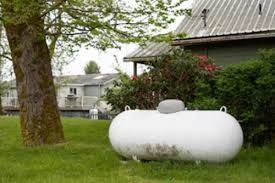
LP gas is used a lot with furnaces for heating. Most HVAC techs do not deal with the LP tank, but may have to turn off the gas leaving the LP tank. The gas in the tank is a pressurized liquid that can cause frostbite or burns if it comes in contact with the skin. LP gas is heaver than air and will settle close to the floor or ground, and is highly explosive. Be very careful when going into an area where there is the smell of gas. Here are a few things that can be done for safety.
1. Clear the area of people and do not enter until safe.
2. Notify the local gas company.
3. Shut off the gas supply.
4. Do not use the light switches, if lights are on leave them on, if the lights are off leave them off.
5. Open windows and doors to ventilate the area.
6. Use a soap solution to look for a gas leak, never use a match or open flame.
7. Only use a battery-operated flashlight or approved safety light when searching for a gas leak.
Other dangers with Natural or LP gas used as a heating source occur when there is incomplete combustion of the gas due to improper installation or adjustment. This will produce aldehydes, soot, and carbon monoxide gas. Long term breathing of carbon monoxide can cause sickness or death.
The environment in which the HVAC persons work contains a lot of of hazards that need to be recognized and respected. Pay attention to the safety information on the product. Know and practice the steps needed to protect yourself and others in the case of an emergency. On the job safety is your responsibility. Keep yourself and others around you safe.
Disclaimer: The technical statements, information and recommendations contained herein are believed to be accurate as of the date hereof, but Mingledorff’s does not make representations or warranties, express or implied, as to its accuracy, its completeness, or the results to be obtained. The information is being provided for informational purposes only and is intended for use by persons having adequate skill and expertise regarding the proper selection, use and application of the products and recommendations and at their own risk and discretion.
Most gas furnaces have several safety limits, main limits, roll-outs, 80%’s will have a DSS (Daft Safety Switch) These safety
This article is in reference to Residential Heat Pumps. Everyone in the HVAC industry knows that the indoor TXV
Compressors are the heart of the refrigeration system. It creates the pressure difference to move the refrigerant through the system.