Taking NATE Online
We have recently begun teaching our NATE classes online using zoom format. This article will hopefully clear up some of


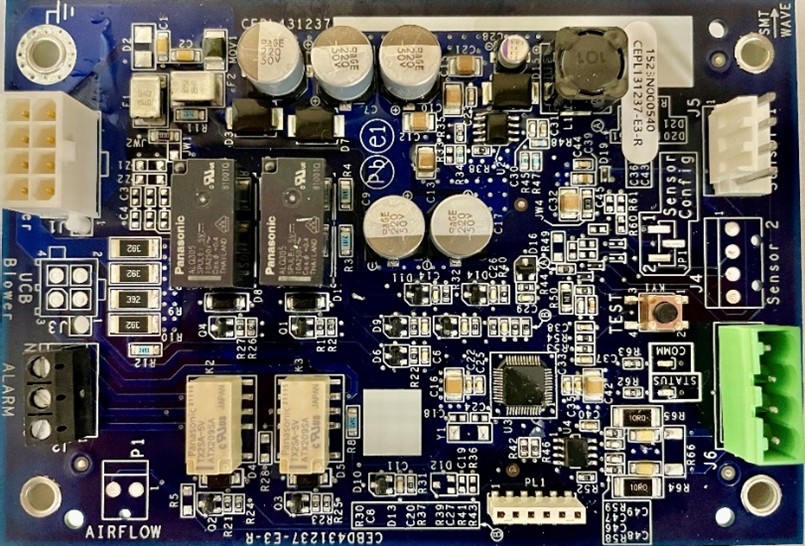
In our last article, Understanding Active Dissipation, we covered the basic reasons why a system may have a refrigerant leak and how the board will operate during dissipation mode due to that leak. This month we will take a deeper look at how to properly wire {install} and troubleshoot the sensor itself on the FJ fan coils.
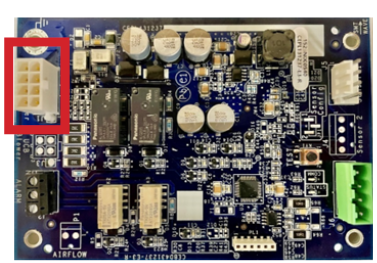
To be able to accurately troubleshoot anything, you must know where to start. The dissipation board pictured above, resides between the main board and the thermostat. This allows the dissipation system to actively control the unit during a dissipation sequence. This occurs starting at the wiring for the 8-pin plug on the dissipation board.
In the picture below is the proper wiring setup and color codes for each pin.
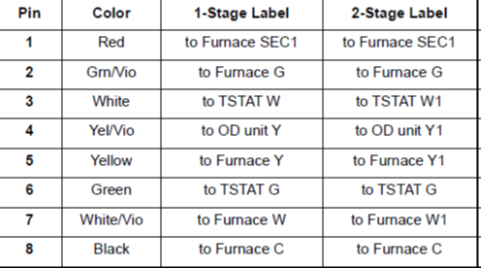
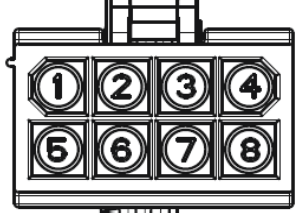
Note on communicating units: wires 3-7 will not be used. Only wires 1, 2 and 8 will be connected.
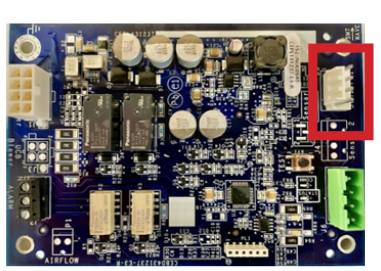
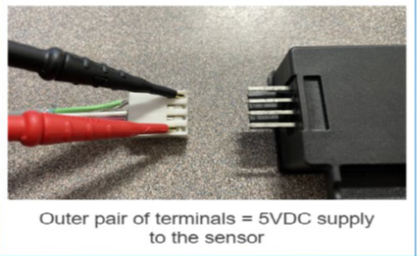
Next is the Dissipation Sensor. The sensor is a 4 pin 5vdc sensor with an 8ft harness. The sensor will be factory mounted in all fan coils and SPPs. The sensor will be located in the case coil boxing. If a cased coil is being installed, the sensor is NOT factory installed but does come included. Please be sure to check all packing materials to ensure the sensor and harness aren’t accidentally discarded.
Troubleshooting the harness connections is simple using the picture below to check for the proper 5VDC signal.


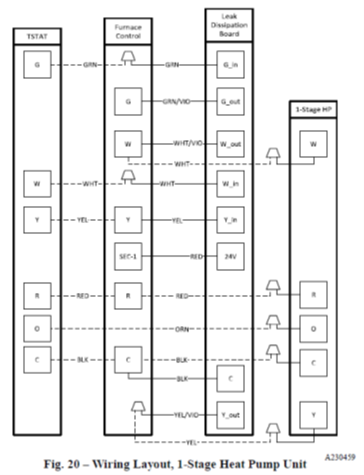
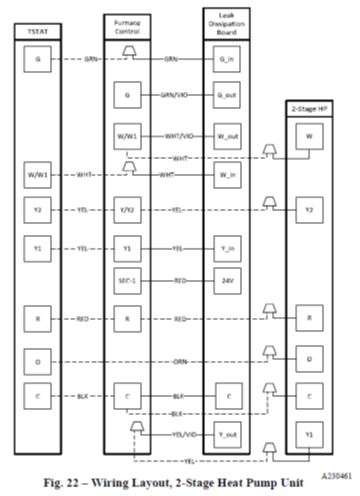
This information should help with wiring and checking your dissipation board and sensor. Depending on the equipment, wiring may differ depending on the options being installed. Check both installation and service manuals for the equipment you are working with to verify proper wiring and functionality of the dissipation safety system.
Should you have any questions, please feel free to reach out to your local Mingledorff’s for help.
Disclaimer: The technical statements, information and recommendations contained herein are believed to be accurate as of the date hereof, but Mingledorff’s does not make representations or warranties, express or implied, as to its accuracy, its completeness, or the results to be obtained. The information is being provided for informational purposes only and is intended for use by persons having adequate skill and expertise regarding the proper selection, use and application of the products and recommendations and at their own risk and discretion.
We have recently begun teaching our NATE classes online using zoom format. This article will hopefully clear up some of
Coming back to work after an extended weekend of 4th of July there’s paperwork handed to you for the emergency
Carrier has approved the use of Crossover equipment with zoning applications. The instructions for this will be released in several phases during 2026. Release dates for
We use cookies and other tracking technologies to collect and store information, operate our website, remember your preferences, deliver targeted ads and content, and enhance your experience. You can manage or change your cookie preferences at any time through your browser or device settings. To learn more, including how we collect, use, or disclose your information, please review our Privacy Policy and Terms of Use. By interacting with this cookie banner or accessing the site, you consent to our Privacy Policy and Terms of Use, including the arbitration provision and class action waiver.
You are leaving our site and we cannot be held responsible for the content of external websites.