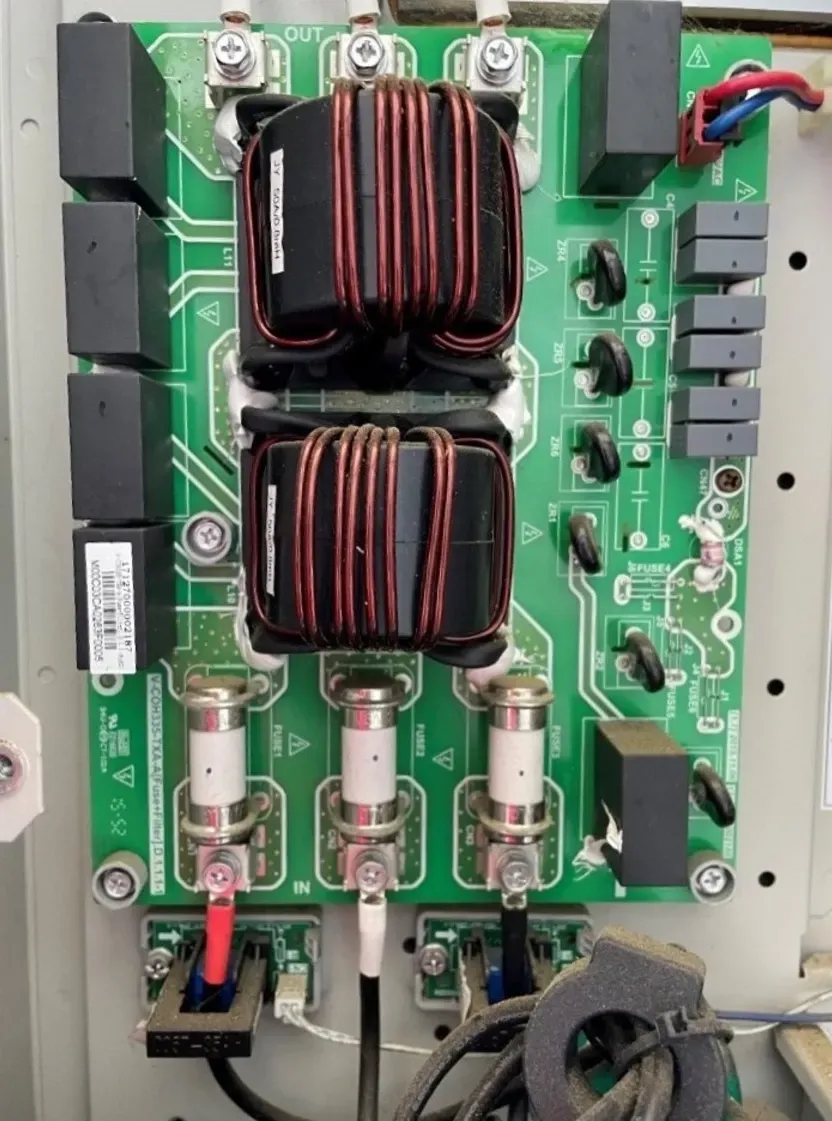
It is a good practice to make sure all of your dip switches are set to the factory position on all of your flow selector boxes during installation. If the dip switches are not set in the factory position you will have L11 and E17 error codes to follow. You can verify the factory dip switch settings by looking at access door on the flow selector box. The L11 and E17 error codes can also be caused by wiring issues, good wiring practices can prevent having problems.
Changing dip switches on your flow selectors is not necessary because all of your flow selector addresses and port numbers are set using and codes 00FE and 0105 on your thermostat. Making sure your flow selector address and your flow selector port address is correct will make the start up process much easier. If care is taken and you have a good understanding of the wiring and installation of a VRF system the start up process can be close to seamless.
L11- Detected indoor unit address, Flow selector unit not connected.
E17- Communication trouble between indoor unit and flow selector unit.
August 12, 2024
Heat Stroke Symptoms & Hydration Tips
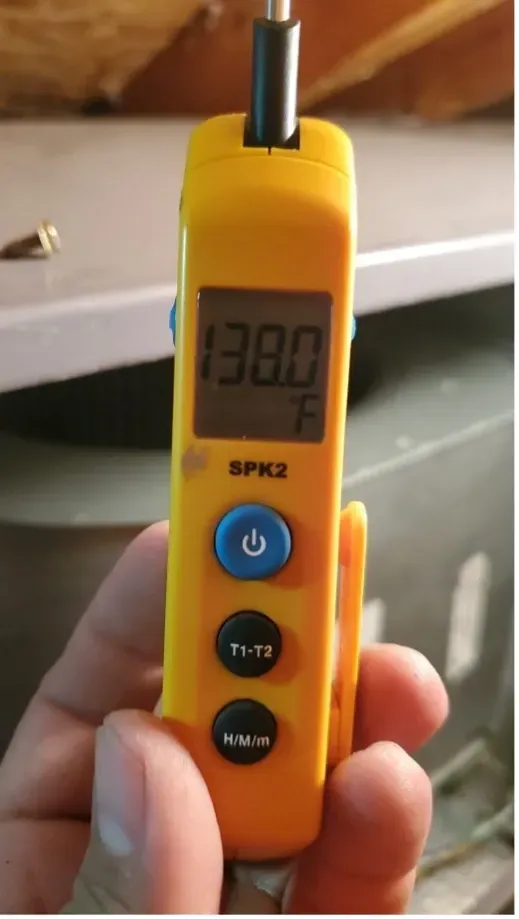
As you all know, working in the AC business doesn’t always mean working in air conditioning! In this article, we want to show you the symptoms of heat stroke and ways to stay hydrated. An attic’s temperature can rise well over 125 degrees when the outside temperature is only 90 degrees.
Stay hydrated by drinking plenty of water. You can even find flavor packets to mix in and create just about any taste you like.

Water plays a crucial role in maintaining your body’s health. It helps keep your body at a normal temperature, lubricates and cushions your joints, and protects your spinal cord and other sensitive tissues. To increase your water intake, consider carrying a water bottle with you and refilling it throughout the day. Choose water over sugary drinks, and add a wedge of lime or lemon to enhance the flavor. When dining out, opting for water can help you save money and reduce calorie intake.
Heat Stroke Symptoms
Heat stroke is a serious medical condition that happens when the body fails to control its temperature, often due to prolonged exposure to extreme heat or intense physical activity. Common symptoms are:
- Mental status changes: Confusion, delirium, combativeness, slurred speech, or loss of consciousness
- Body temperature: Core body temperature above 103°F (40°C) or higher
- Skin: Hot, red, dry, damp, flushed, or very pale skin
- Other symptoms: Headache, dizziness, nausea, vomiting, rapid and strong pulse, seizures, or convulsions
If you suspect someone is experiencing heat stroke, you should call 911 or get them to a hospital immediately. While waiting for emergency services, you can try to:
- Move the person to a cooler, shaded, or air-conditioned environment.
- Remove any outer clothing.
- Reduce their body temperature with cool cloths or a bath.
- Use a fan if the heat index is below the high 90s.
If someone is conscious and alert enough to swallow, you can give them chilled water to drink if they are experiencing heat stroke. You can also try giving them a sports drink with electrolytes or another nonalcoholic beverage without caffeine. If you help them drink, make sure they are sitting up, so they don’t choke. However, most people with heat stroke have an altered level of consciousness and shouldn’t be given fluids.
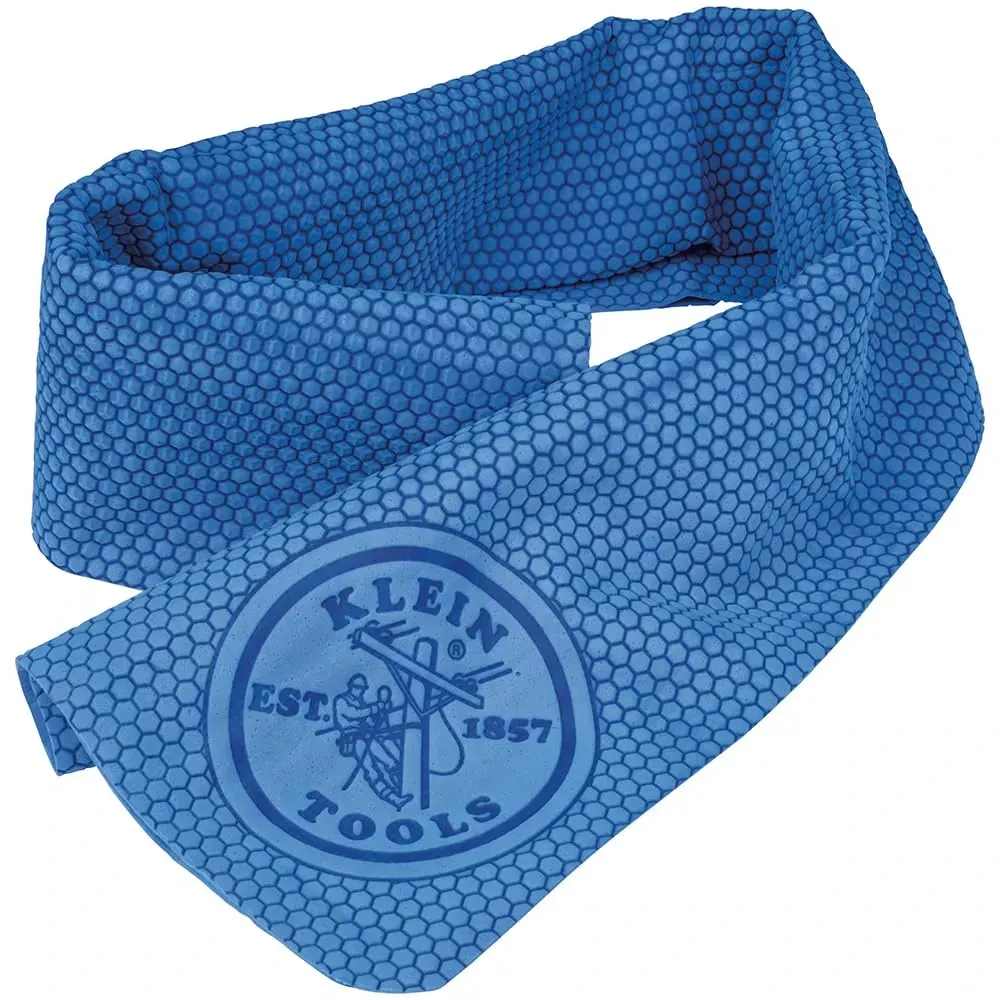
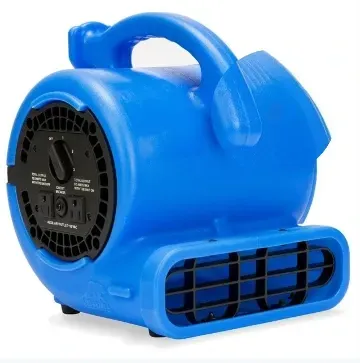
Give yourself extra time to take breaks. Don’t wait until it’s too late! Another tip for keeping cool is to get a cooling towel to wrap around your neck and a fan to set up and circulate some cooler air from below the attic.


Disclaimer: The technical statements, information and recommendations contained herein are believed to be accurate as of the date hereof, but Mingledorff’s does not make representations or warranties, express or implied, as to its accuracy, its completeness, or the results to be obtained. The information is being provided for informational purposes only and is intended for use by persons having adequate skill and expertise regarding the proper selection, use and application of the products and recommendations and at their own risk and discretion.
More to Explore